



Teen work in the digital age
From your first earnings on social networks to a safe and responsible entry into the world of work
The job market has changed dramatically in recent years, especially for young people. Classic forms of casual work, such as helping in the hospitality industry, retail, administration or promotions, are now complemented by new, digital forms of creativity. These include blogging, creating video content, managing social networks, publishing short clips and collaborating with brands.
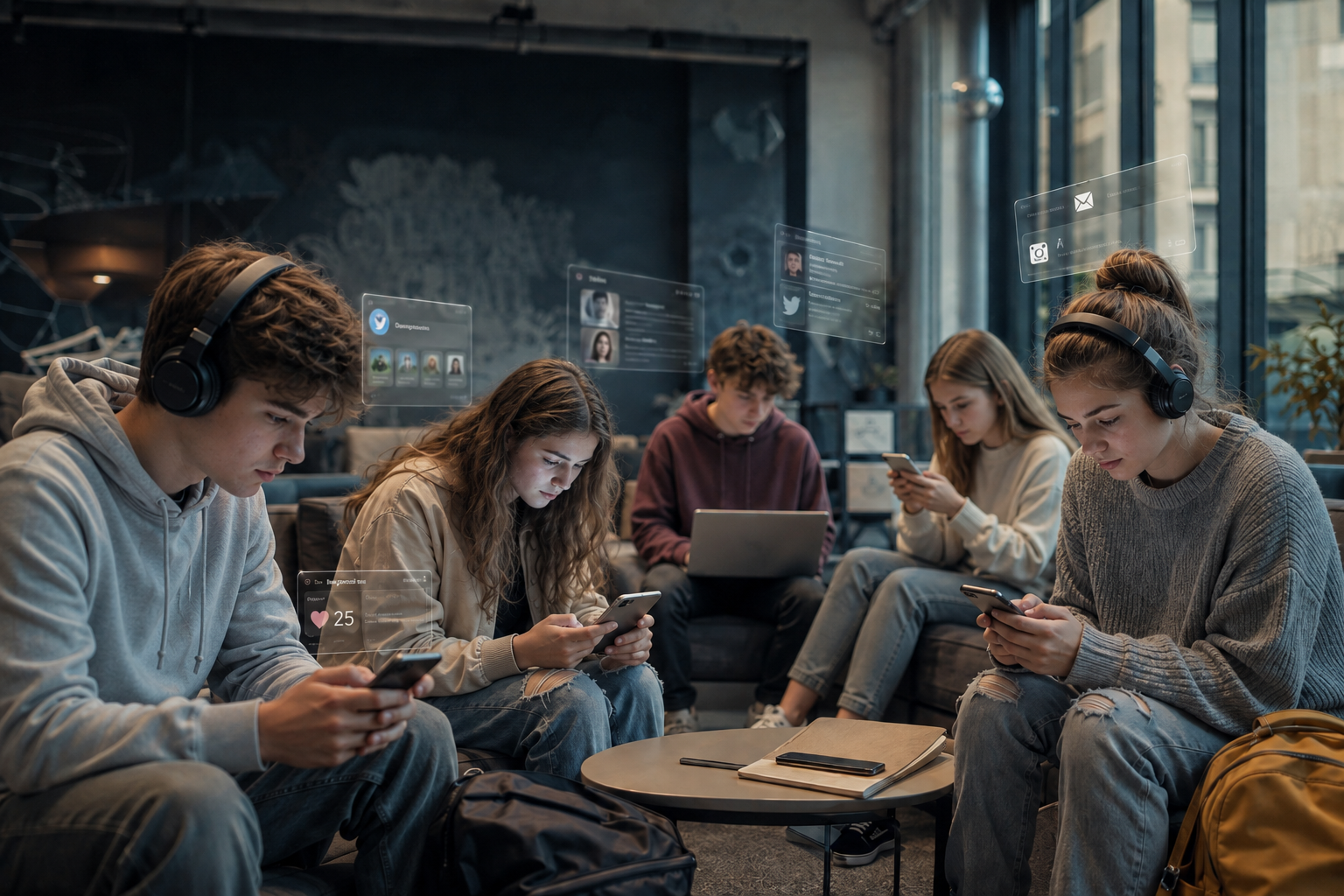
Teenagers today are no longer just internet users, but increasingly active digital content creators. With the help of platforms like YouTube, TikTok, Instagram and other online communities, they can express their creativity, share knowledge, build an audience and develop skills that are increasingly in demand in the modern world of work. Digital creation allows them flexibility, independence and early learning of the basics of entrepreneurship.
This can also open up first business opportunities for young people. Successful individuals can collaborate with brands, create sponsored posts, promote products or services, receive payments through online platforms, establish affiliate links or sell their own digital products. What initially started as a hobby can eventually grow into a more serious form of work or even a successful entrepreneurial path.
When content creation generates revenue, legal, tax and organizational issues also arise. Revenue from advertising, sponsorships, donations, partner programs or online platforms is tax relevant and must be treated accordingly.
If a content creator publishes content on social networks or online platforms on a permanent basis, independently, for his own account and at his own risk, the income thus earned is generally treated as income from activities. However, when it concerns a one-off or occasional publication of content under a contract, where the creator works according to the instructions and under the supervision of the client and does not assume the business risk, the income may be treated as income from another contractual relationship.
The most common options for arranging work depend on the age of the creator, the scope of the work and the method of receiving income. If a teenager has the status of a pupil or student and the work is carried out for a client, one of the options is the work of pupils and students through a student service. In this case, the rules of employment law must also be taken into account, in particular the special protection of young people who have not yet reached the age of 18.
For persons under the age of 15, paid work is permitted only exceptionally and under the conditions set out in the legislation. A child under the age of 15 may exceptionally participate in the filming of films and in the preparation and performance of artistic, stage and other works in the field of cultural, artistic, sports and advertising activities for a maximum of 2 hours per day and 12 hours per week. A child who has reached the age of 13 may also perform light work in other activities during school holidays, but for a maximum of 30 days in a single calendar year, a maximum of 7 hours per day and 35 hours per week, provided that the work does not endanger his or her safety, health, morals, education and development. In both cases, prior permission from the labour inspector is required, which is issued on the basis of a request from the legal representative. Therefore, the active role of parents or legal representatives is essential for younger teenagers.
If content creation becomes regular, organized, and profitable, it is often more appropriate to register the activity as a sole proprietorship or LLC.
A minor who has reached the age of 15 can, to a limited extent, conclude transactions and, according to the Employment Relations Act, can also validly conclude an employment contract. In this regard, he/she enjoys special legal protection due to his/her youth. However, a 15-year-old (if he/she has not acquired full legal capacity) will not be able to register as a sole proprietor.
The situation is slightly different when establishing a company. A minor can be a partner in a company, but the company registration process will be carried out through legal representatives, as he does not have legal capacity. As a result, he will not be able to perform the function of manager.
In addition to tax and status issues, there is also the area of copyright that needs to be considered. Music, photos, videos, graphics and texts found online are not automatically free to use. Using other people's content without permission can lead to complications, removal of posts or even claims from rights holders. Care must also be taken when publishing images of other people, especially children and adolescents, where privacy and consent are all the more important.
Advertising and consumer protection rules and other ethical standards of the individual profession must also be taken into account. If a person receives payment, a product, service, discount or other benefit for posting, the collaboration with the client must be clearly identified. Followers must know when it is a personal recommendation and when it is a paid or otherwise agreed promotion.
Student Entrepreneur Proposal
In Slovenia, the issue of a special form of entrepreneurial path for students has recently been raised. The Bill on the Introduction of Student Self-Employment is currently under consideration. It is based on the view that many students have enough motivation, time and creative ideas to develop their own business projects during their studies, but they are often discouraged from registering their activities by the loss of benefits and obligations associated with a full-time self-employed person.
The bill aims to make it easier for students to start their entrepreneurial journey. The bill envisages that the student insurance scheme would operate in a similar way to the so-called afternoon insurance scheme, whereby the student would retain some of the benefits arising from student status up to a certain income threshold. The bill mentions income in the amount of the annual minimum wage as a limit; if the student were to exceed this limit, he would have to insure himself as a full-time self-employed person.
The proposed regulation specifically emphasizes that a student who develops his own business in addition to his studies would gain valuable experience in the fields of entrepreneurship, responsibility, financial planning, sales, communication and problem solving. Such knowledge is important even when young people do not necessarily continue their independent entrepreneurial path later, as they remain as useful life and professional competencies.
Conclusion
New forms of work are not just a fashion trend, but an important part of the modern understanding of work, learning and entrepreneurship. They allow teenagers to get acquainted with the world of digital marketing, media production and independent entrepreneurship at an early age. With the right knowledge, legal regulation and support, blogging, video content and work on social networks can grow from a leisure activity into a serious career opportunity.
Before young creators start receiving payments, products, donations, or other forms of benefits for their posts, videos, or other digital content, it is wise to check the appropriate form of work, tax obligations, copyright, and necessary consent from parents or legal guardians in a timely manner.
At the same time, it is important that young people do not enter the digital world alone. They need support from adults, mentors, parents, schools, youth organizations, and a supportive entrepreneurial environment.
The digital age has opened doors for young people that previous generations did not have. The question is no longer whether these forms of work are the future, but how we will know how to properly guide, support and understand them.
For: SPOT Consulting and entrepreneurial mentoring Koroška
SLOVENIAN BUSINESS CENTER GRADEC doo
Tanja Grlj, business consultant
Sorodne objave









Koroška e-news in your inbox!