


Social responsibility and sustainability – a choice today, a condition for growth tomorrow



Social responsibility and sustainability sound good when they are placed on a website or in promotional materials. But today they mean much more – they are concrete approaches that help companies become more competitive, better recognized and trusted by customers. Of course, only if it is the actual way the company operates and not just empty words.
In this article, we will look at what social responsibility and sustainability mean, why it is important to do so, how the Socially Responsible Employer certificate can help, and what are the possible first steps.
What does social responsibility and sustainability mean?
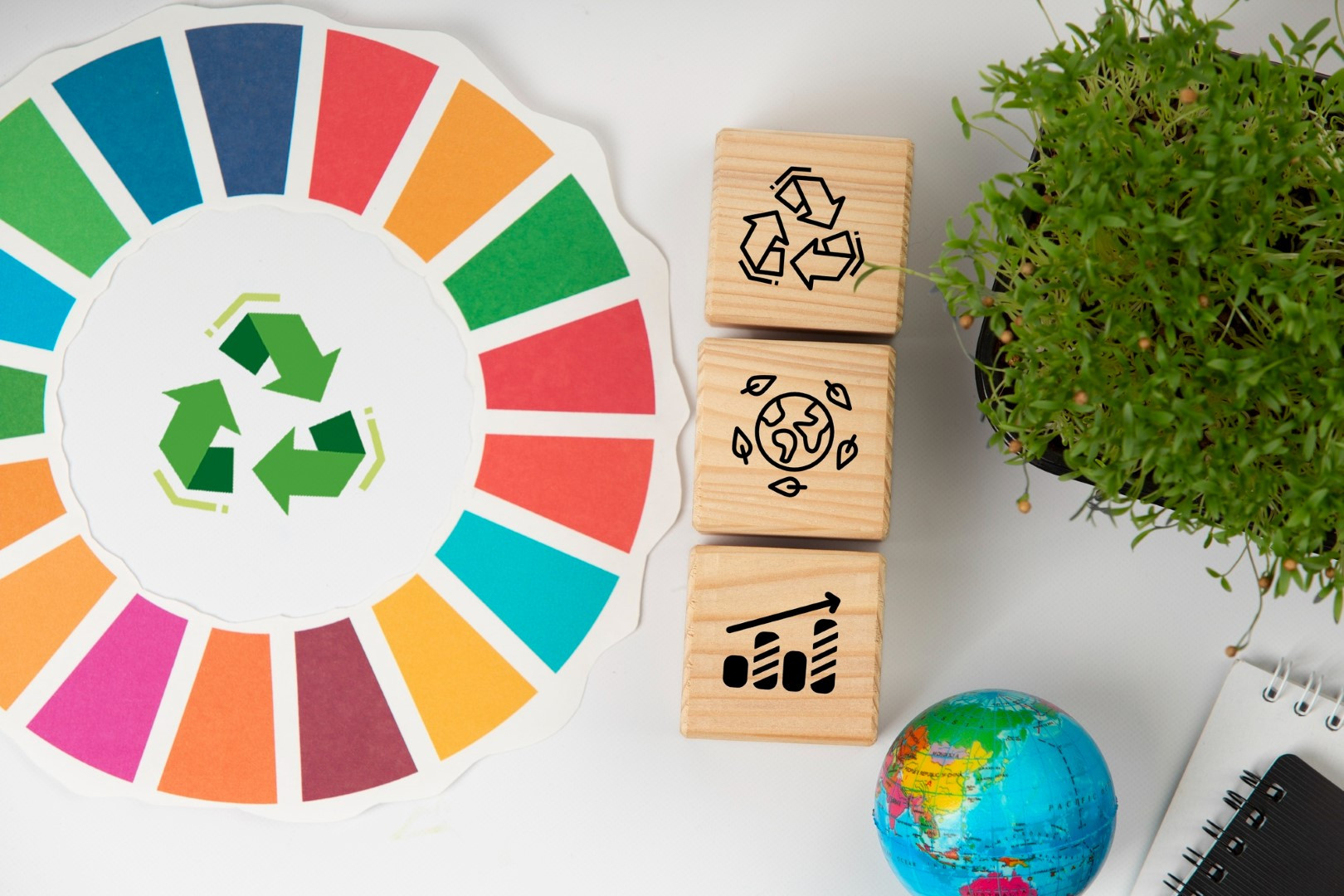
The essence of social responsibility is that a company's business operations are not only focused on profit, but also on the impact of its decisions on employees, the community and the environment. Of course, a company does not necessarily have to immediately implement all possible measures in all three areas - it is about carefully selecting certain areas where it can have the greatest positive impact.
When we hear the word “sustainability,” we often think first of the environment. Waste separation, reducing energy consumption, using recycled materials. All of this is true, but sustainability goes much further. Essentially, sustainability means that a company operates in a way that meets the needs of today without compromising the opportunities of future generations. It is essential to find a balance between environmental, social and economic aspects.
Why do this?
In the past, this was primarily a question of image, but today it is a strategic decision. Companies that are aware of this find that this approach brings them:
- competitive advantage – customers increasingly choose companies that operate in a socially responsible and sustainable manner,
- greater employee loyalty,
- easier attraction of talent – especially younger generations place great emphasis on employer values,
- better relations with the community and the local environment.
"Socially Responsible Employer" Certificate
One way to approach this more systematically is to obtain the Socially Responsible Employer certification. This helps companies assess where they are and provides them with tools and guidance for improvement in four key areas:
- balancing private and professional life,
- social responsibility and sustainable development,
- intergenerational cooperation,
- occupational safety and health.
The certificate is awarded by the Ekvilib Institute. It is based on the international standard ISO 26000 and is designed as a consulting and analytical process that helps companies implement concrete changes. The certificate is not just a formality - it includes self-assessment, consulting and concrete steps for improvement, so it brings clear progress to the company.
RRA Koroška also decided to embark on this path. By doing so, we want to show that social responsibility is not something we expect from entrepreneurs and organizations only on paper, but that we also live it ourselves. We see obtaining the certificate as an opportunity to improve internal culture, increase employee satisfaction, and even greater connection with the environment and community.
How can you get started?
You don't have to aim for certification right away. You can start with simple steps:
- Analyze your operations – where can you reduce your negative impact on the environment and improve working conditions?
- Determine priorities and set measurable goals – what you want to achieve in the next, for example, 12 months.
- Involve employees – ask them for suggestions and involve them in changes. Changes are only successful if people accept them.
- Support your local community – sponsorships, volunteering, or working with local suppliers can be a great start.
- Measure progress – track what has improved, adapt accordingly, and communicate it.
Small steps count.
Social responsibility and sustainability are not a project with a beginning and an end, but a way of thinking that a company integrates into its culture and business decisions. It often starts with small steps – changing packaging, flexible working hours, supporting a local community. But every such step counts if it is sincere and aligned with the company’s values. This in turn strengthens trust, long-term value and competitive advantage for the company.
If you need help in this or any other area of business, we at the Koroška Online Business Incubator (MPIK), which operates within the framework of RRA Koroška, are happy to help you. Among other things, we offer a free mentoring and consulting program. More info at www.rra-koroska.si/mpik.
Avtor: Jure Knez, RRA Koroška d.o.o. – Mrežni podjetniški inkubator Koroška
Sorodne objave









Koroška e-news in your inbox!